
Acupuncture for Weight Loss: A Traditional Chinese Medicine Approach
Most people think weight loss is simply about calories and exercise. From a traditional Chinese medicine acupuncture perspective, we see it very differently. In TCM, weight gain is not the problem — it's the signal. It reflects underlying imbalances in digestion, stress regulation, hormonal signalling, and energy production. When these systems are not functioning efficiently, the body adapts by slowing metabolism, holding onto fluid, increasing cravings, or storing fat as a protective mechanism.
Modern research also supports this view. Body weight regulation is now understood to be multifactorial, influenced by diet, movement, sleep, stress, hormones, nervous system regulation, and environment — not calories alone [1,2]. Until the underlying imbalance is addressed, weight loss often feels slow, inconsistent, or unsustainable, no matter how disciplined a person is. This is where acupuncture for weight loss, used alongside an appropriate acupuncture treatment plan, can offer a different way in.
How Traditional Chinese Medicine Understands Weight Gain
Rather than using a one-size-fits-all model, traditional Chinese medicine acupuncture works through pattern identification. Most people do not gain weight for the same reason, and many experience overlapping patterns rather than a single cause. Clinically, the most common contributors include:
Poor digestion and sluggish metabolism
Chronic stress and emotional eating
Fluid retention and low-grade inflammation
Long-term exhaustion or burnout
Each pattern affects the body differently and requires a different therapeutic focus — and often, different acupuncture points and a different acupuncture treatment plan.
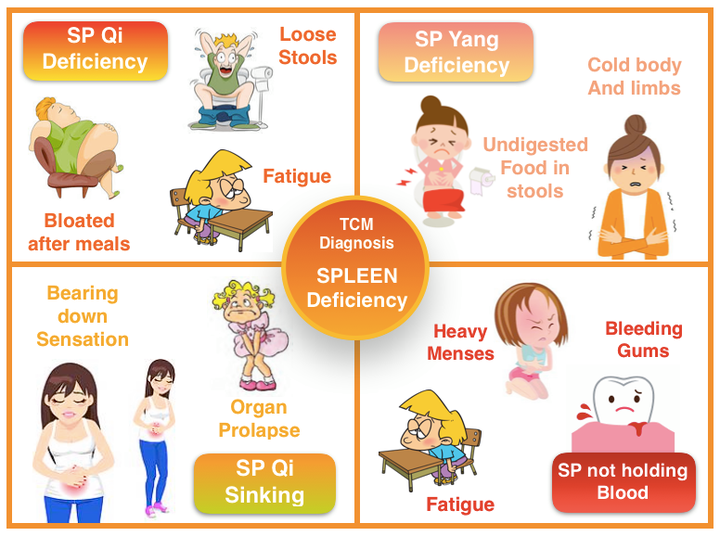
Poor Digestion & Sluggish Metabolism (Spleen Qi Deficiency)
This is one of the most common patterns seen in weight-loss cases. In TCM, the Spleen system governs digestion and the transformation of food into usable energy. When this function is weakened, food is not efficiently processed and instead forms dampness — a heavy, sluggish state that can manifest as bloating, fluid retention, fatigue, and stubborn weight gain [3,4]. Acupuncture therapy for this pattern typically targets acupuncture points connected to digestive function and metabolism.
Common signs
Bloating or fullness after meals
Feeling heavy or tired after eating
Sugar or carbohydrate cravings
Loose or inconsistent stools
Weight that does not shift despite "clean eating"
Lifestyle recommendations
Eat meals at regular times to support digestive rhythm
Eat slowly and avoid eating while rushed or distracted
Avoid constant grazing or snacking between meals
Take a 10–15 minute walk after meals to aid digestion
Avoid eating when emotionally stressed whenever possible
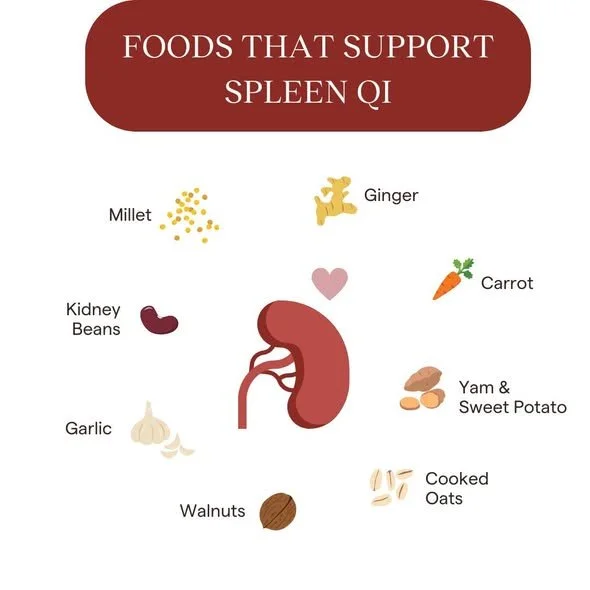
Food recommendations
Prioritise warm, cooked foods (soups, stews, stir-fries, slow-cooked meals)
Choose grounding carbohydrates in moderation: oats, brown rice, millet, quinoa, sweet potato
Cooked vegetables that are easy to digest: pumpkin, squash, carrots, turnips, beets
Protein sources: eggs, chicken, turkey, beef, lentils or adzuki beans (if tolerated)
Supportive spices and flavours: ginger, cinnamon, fennel, cooked garlic
Foods to limit
IIce-cold drinks and smoothies as main meals
Excess raw salads
Greasy or fried foods
Excess refined sugar
Highly processed foods
Excessive dairy (especially if bloating worsens)
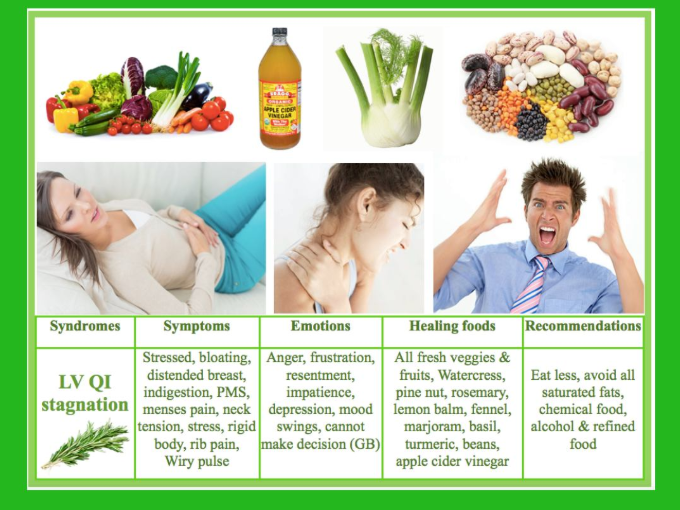
Stress, Emotional Eating & Hormonal Disruption (Liver Qi Stagnation)
Chronic stress is one of the strongest drivers of weight gain. In TCM, prolonged stress constrains the Liver system, which is responsible for the smooth movement of energy throughout the body. When constrained, digestion weakens, appetite regulation becomes erratic, and hormonal signalling is disrupted, often leading to abdominal weight gain and cravings [3,4]. Modern research supports this relationship, showing strong links between stress, cortisol dysregulation, emotional eating, and central fat accumulation [5]. This is a large part of why acupuncture for stress relief and acupuncture for anxiety so often come up alongside acupuncture for weight loss — the two are closely connected.
Common signs
Emotional or stress-related eating
Weight gain around the waist
PMS, irritability, mood swings
Digestive symptoms that worsen under pressure
Lifestyle recommendations
Incorporate daily stress-down practices (even 10 minutes): walking, stretching or yoga, breathing exercises, meditation or journaling
Prioritise consistent sleep and wake times
Avoid excessive high-intensity exercise if already exhausted
Create a pause before stress-eating: drink water, take 5 slow breaths, wait 10 minutes before deciding to eat
Food recommendations
Eat regular meals (skipping meals often worsens cravings later)
Prioritise protein and fibre at meals to stabilise blood sugar
Reduce stimulants (excess coffee, energy drinks) during high-stress periods
Fluid Retention & Inflammation (Dampness)
Not all weight is fat. Many people carry excess fluid and inflammatory congestion, which can cause swelling, heaviness, and puffiness rather than soft fat accumulation. This explains why:
Clothes feel tight despite little dietary change
The scale may not reflect improvements in habits
Weight loss feels "stuck" even with effort
Common signs
Puffiness (face or limbs)
Heavy arms or legs
Swelling or water retention
Sticky stools
A bloated or swollen feeling rather than softness
Lifestyle recommendations
Move gently and consistently (walking is especially effective)
Avoid long periods of sitting without movement
Maintain regular bowel habits
Support digestion first before aggressive dieting
Food recommendations
Continue prioritising warm, cooked foods
Reduce dairy, sugar, greasy foods, and processed snacks
Avoid excessive cold drinks, especially in the morning
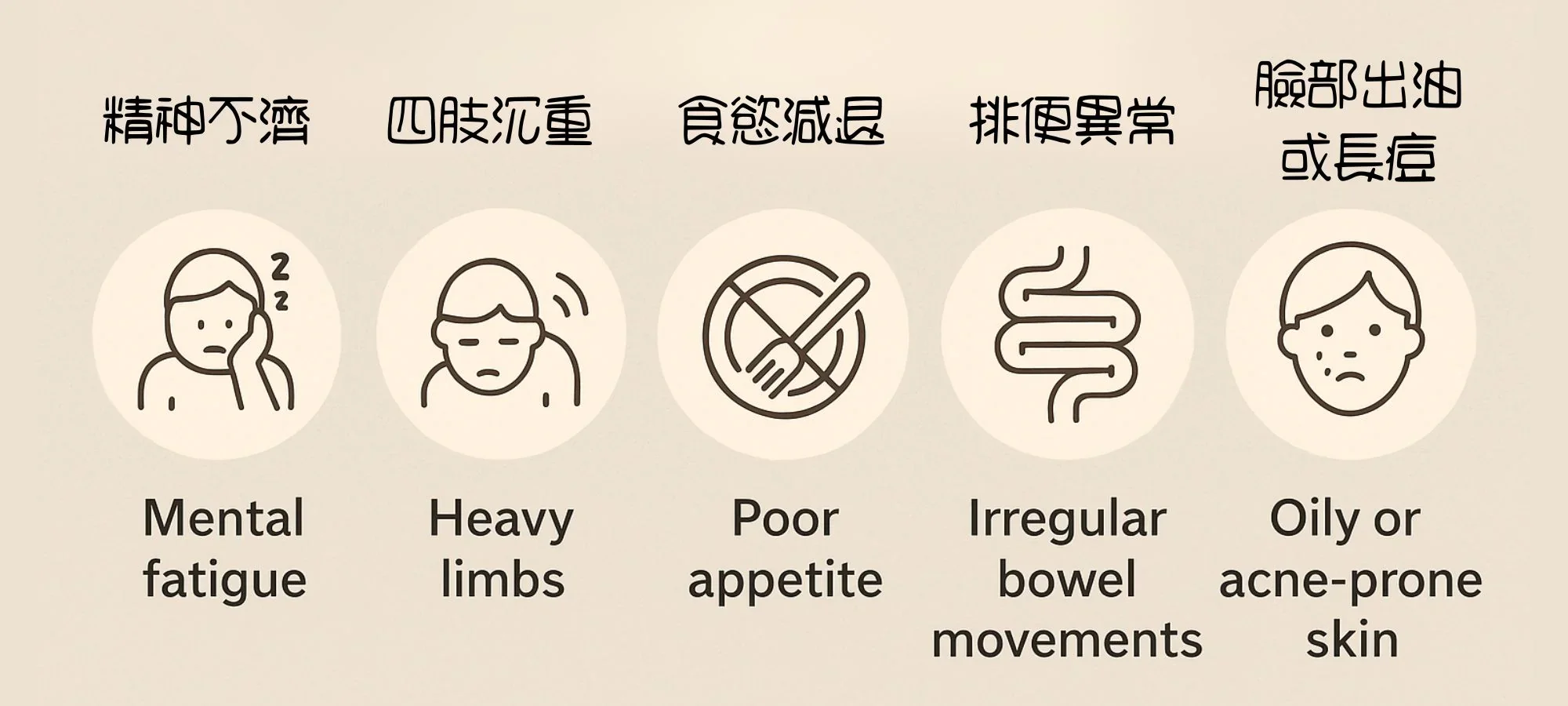
TCM dampness signs and symptoms
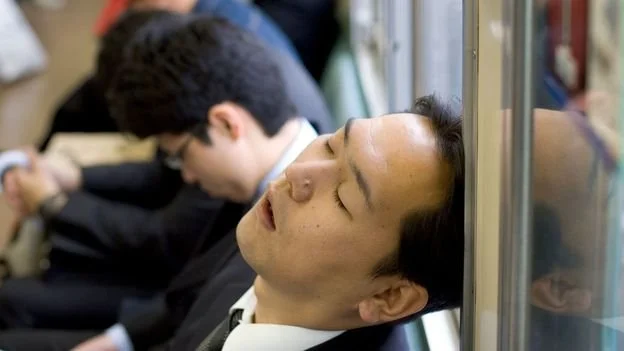
This is what burnout looks like
Low Energy & Burnout (Qi or Yang Deficiency)
Some people struggle with weight not because they are doing too little, but because they have done too much for too long. Over-dieting, excessive training, chronic stress, illness, or long-term fatigue can deplete the body's energy reserves. When energy is low, the body prioritises survival, slows metabolism, and resists weight loss [3]. Acupuncture for wellness is often introduced here, with treatment aimed at restoring baseline energy before any weight-focused work begins.
Common signs
Cold hands and feet
Low motivation
Fatigue despite rest
Weight gain after illness or burnout
Lifestyle recommendations
Focus on restoration before restriction
Prioritise sleep and recovery
Avoid extreme fasting or excessive cardio
Eat regular, nourishing meals
How Acupuncture Helps With Weight Loss
Acupuncture does not force weight loss or "burn fat" directly. Instead, acupuncture treatment works by removing the internal resistance that prevents the body from regulating weight naturally. Research suggests acupuncture can influence appetite regulation, stress response, metabolic parameters, and hormonal signalling [6–8].
Clinically, the acupuncture benefits reported for weight-related concerns include:
Improving digestive efficiency
Reducing stress and emotional eating
Supporting blood sugar and cortisol regulation
Reducing inflammation and fluid retention
Restoring sustainable energy levels
Many patients notice changes in bloating, cravings, energy, and how their clothes fit before changes appear on the scale.
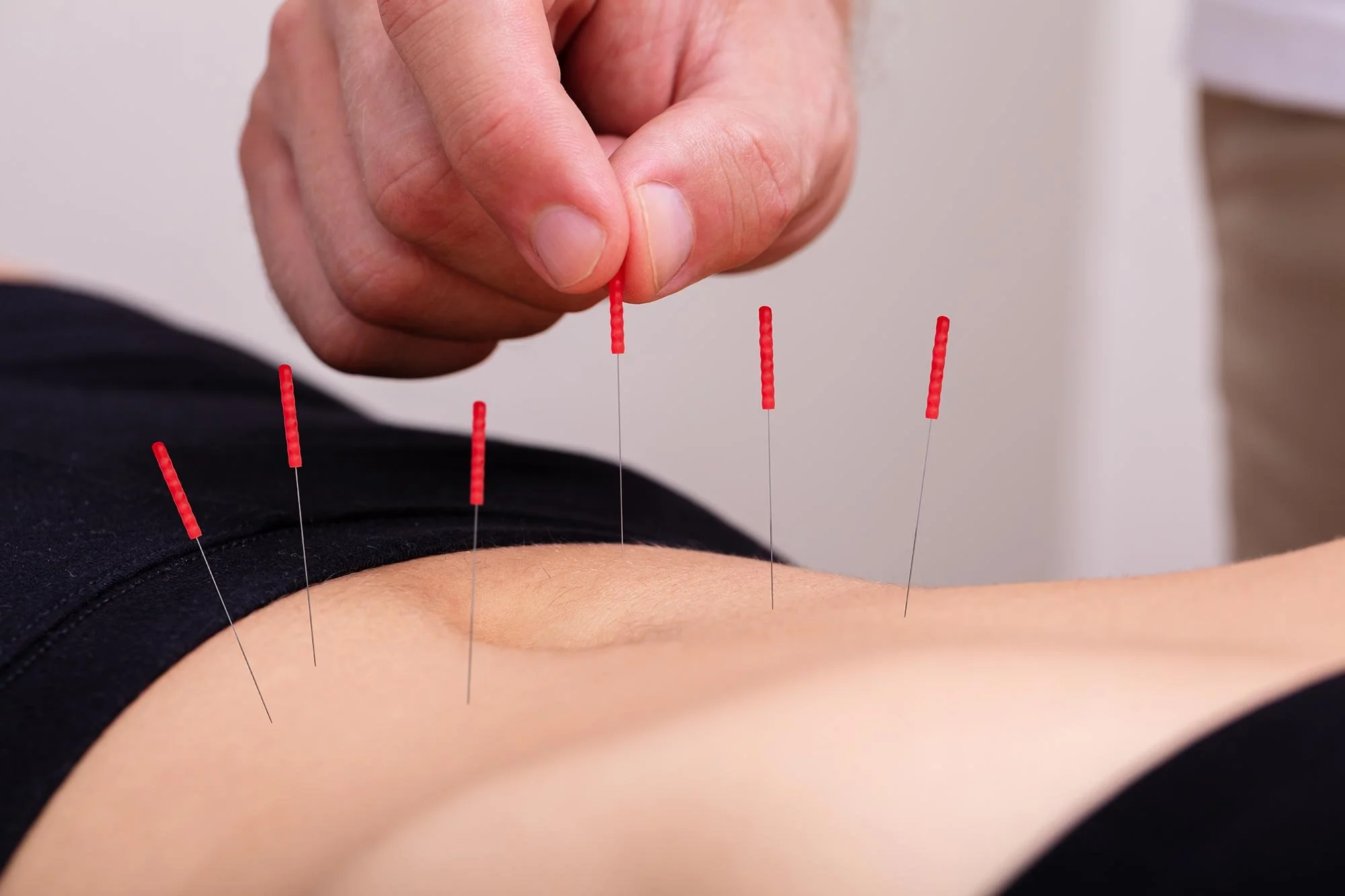
Close up of abdominal acupuncture
Why Acupuncture for Weight Loss Is Different
Acupuncture does not chase numbers on a scale. It focuses on restoring:
Digestive function
Nervous system regulation
Hormonal balance
Sustainable energy
When the body returns to balance, weight loss becomes a natural side effect of improved function, rather than a constant struggle.
Does Acupuncture Work for Weight Loss?
"Does acupuncture work?" is a reasonable question to ask before starting any acupuncture therapy. As with most pattern-based TCM treatment, results vary depending on which underlying imbalance is driving the weight gain, and acupuncture is generally most effective as part of a broader acupuncture treatment plan that includes the lifestyle and food adjustments outlined above — not as a standalone fix.
Acupuncture Side Effects
Acupuncture is generally very safe when performed by a licensed acupuncturist using sterile, single-use needles. Reported acupuncture side effects are usually mild and short-lived, and may include slight bruising or tenderness at the needle site, brief lightheadedness, or temporary tiredness following a session. Choosing professional acupuncture services from a properly registered practitioner keeps these risks to a minimum.
Dry Needling vs Acupuncture, and Cupping Therapy
Weight-loss treatment plans sometimes get confused with dry needling, but the two aren't the same. Dry needling vs acupuncture comes down to origin and approach: dry needling is a Western physiotherapy technique targeting isolated muscle trigger points, while acupuncture is rooted in traditional Chinese medicine and works with acupuncture points across the body's meridian system to address digestion, stress, and hormonal balance together.
Some clinics also offer acupuncture and cupping services as part of a weight-loss or digestion-focused plan. Cupping therapy and acupuncture are often combined to support circulation and reduce the sense of heaviness associated with dampness, as part of a broader holistic acupuncture care approach.
Conclusion
If weight loss has felt like a constant uphill battle, it may not be about willpower or discipline. It may be your body asking for a different kind of support. Acupuncture works by helping your system feel safe, regulated, and efficient again, so your efforts finally start to work with you, not against you.
Book Your Acupuncture Consultation in Australia
Ready to explore acupuncture for weight loss? Start with an acupuncture consultation to talk through which pattern — digestion, stress, fluid retention, or burnout — best fits what you're experiencing, so your acupuncture sessions can be built around a personalised acupuncture treatment plan rather than a generic package.
Whether you're looking for an acupuncture clinic Sydney locals recommend, an acupuncture clinic Melbourne option close to the CBD, or an acupuncture clinic Brisbane or acupuncture clinic Perth practice nearer home, look for a registered acupuncturist Australia can vouch for — always an AHPRA registered acupuncturist, ideally affiliated with the Australian acupuncture association.
Beyond weight loss, the same acupuncture service Australia-wide often extends to acupuncture for chronic pain treatment, acupuncture for back pain Sydney-based patients frequently ask about, and acupuncture for fertility Australia-wide — so it's worth mentioning your full health picture during your consultation.
If you're searching "acupuncture clinic near me Australia" or "acupuncture practitioner near me," choose a Chinese medicine clinic Australia-wide that treats weight concerns as a whole-body issue, not just a number on a scale. Book your acupuncture appointment Australia-wide today and take the first step toward sustainable, whole-body change.
References:
World Health Organization. Obesity and overweight: Fact sheet. WHO.
Hall KD, et al. Energy balance and its components: implications for body weight regulation. Am J Clin Nutr. 2012;95(4):989–994.
Maciocia G. The Foundations of Chinese Medicine. 3rd ed. Elsevier; 2015.
Flaws B, Sionneau P. The Treatment of Modern Western Medical Diseases with Chinese Medicine. Blue Poppy Press; 2001.
Adam TC, Epel ES. Stress, eating and the reward system. Physiol Behav. 2007;91(4):449–458.
Zhou J, et al. Effects of acupuncture on weight loss and metabolic parameters. Evid Based Complement Alternat Med. 2017.
Cho SH, et al. Acupuncture for obesity: a systematic review. Int J Obes. 2009;33:183–196.
Cabioglu MT, Ergene N. Electroacupuncture therapy for weight loss. Am J Chin Med. 2005;33(2):161–169.