
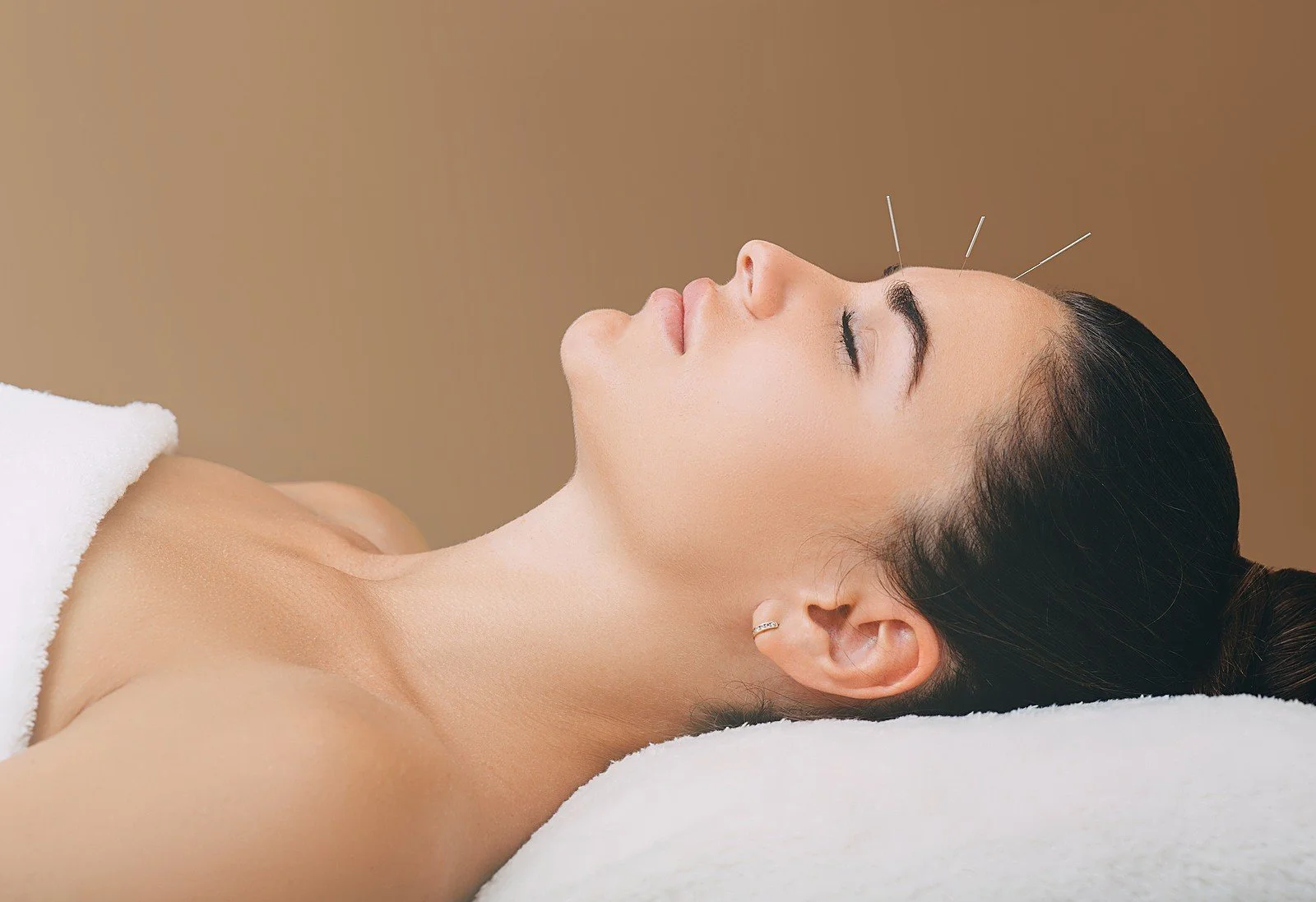
Acupuncture for Sleep & Insomnia Support in Brisbane
The Gentle Needle Guy — Traditional Chinese Medicine & Modern Care
Supporting Sleep and Insonmia with Acupuncture & Chinese Medicine
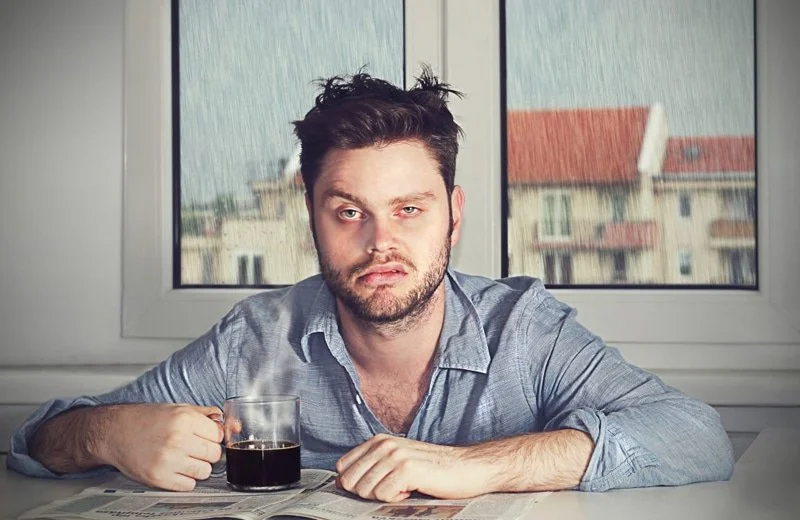
Sleep issues can affect energy, mood, immunity, focus, and long-term recovery. At The Gentle Needle Guy, acupuncture and Traditional Chinese Medicine are used to support better sleep quality through personalised, one-on-one care.
Sessions focus on identifying patterns that may contribute to poor sleep—such as stress load, nervous system overdrive, digestive discomfort, or inconsistent routines—then building a plan that supports the body’s ability to settle and restore. Responses vary between individuals, and care is adjusted progressively based on comfort and presentation.
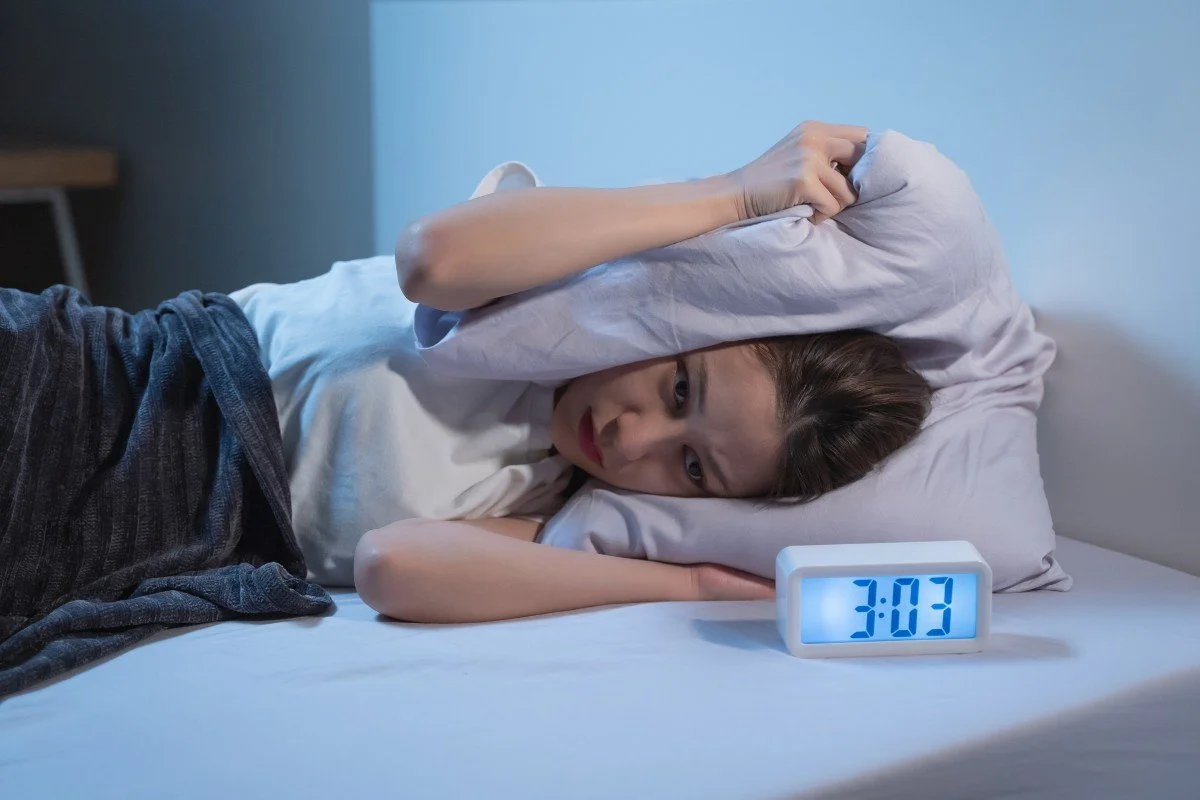
Common Concerns People Seek Support For
Trouble falling asleep
Light or restless sleep
Waking during the night
Waking too early
Racing thoughts at bedtime
Feeling “tired but wired”
Waking unrefreshed
Sleep disruption linked with stress or digestion
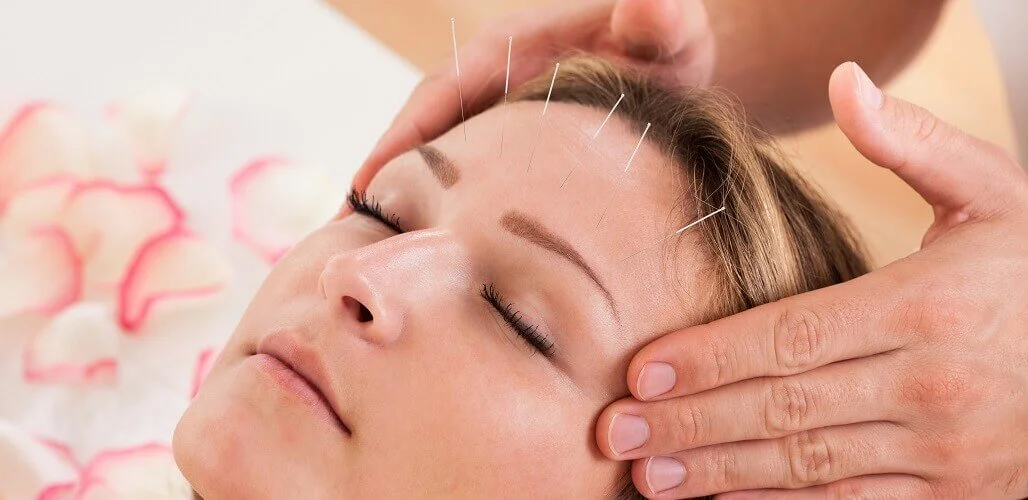
How Acupuncture May Help
Acupuncture is traditionally used to:
Support nervous system regulation and relaxation
Help the body shift out of “fight or flight” and into recovery mode
Ease physical tension that can contribute to restlessness
Support digestive comfort when sleep is impacted by gut symptoms
Improve overall balance and resilience under stress
From a Traditional Chinese Medicine perspective, sleep is closely linked with the Heart–Mind (神), Liver regulation, and the body’s ability to anchor and restore. Treatment is tailored to the whole person, including lifestyle patterns, daily stressors, and individual constitution.
Who This May Suit
Insomnia or broken sleep
Stress-related sleep disruption
Restlessness, overthinking, or mental “noise” at night
Sleep changes during hormonal shifts (including perimenopause/menopause)
Recovery sleep issues after illness, burnout, or prolonged stress
Sleep disruption alongside pain or tension
Disclaimer: (Acupuncture and Chinese medicine are complementary therapies and are not a substitute for medical diagnosis or emergency care. Individual experiences and outcomes vary.)